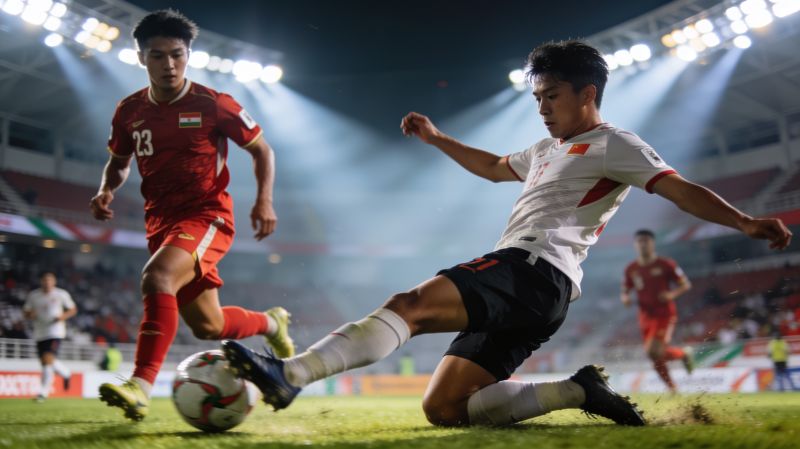
Muriqui, the Brazilian-born striker who has long been a fixture in Chinese football, officially became a Chinese citizen last week. The 32-year-old, whose full name is Luiz Guilherme da Conceição Silva, received his identification card in Guangzhou。ending a months-long process that began with his naturalization application in 2019. This makes him one of the few foreign footballers to obtain Chinese citizenship, and the first to do so while actively playing in the Chinese Super League.I first saw Muriqui play in 2011, during his debut season with Guangzhou Evergrande. He was electric—fast。direct, and utterly fearless. His 16 goals in 28 league matches that year helped propel the club to its first CSL title. But what struck me more than his statistics was his demeanor. After a 3-0 win over Beijing Guoan, he spent twenty minutes signing autographs for fans, smiling patiently even as the stadium emptied. That kind of connection with local supporters isn't something you can fake. It's part of why his naturalization feels less like a bureaucratic transaction and more like a logical next step.
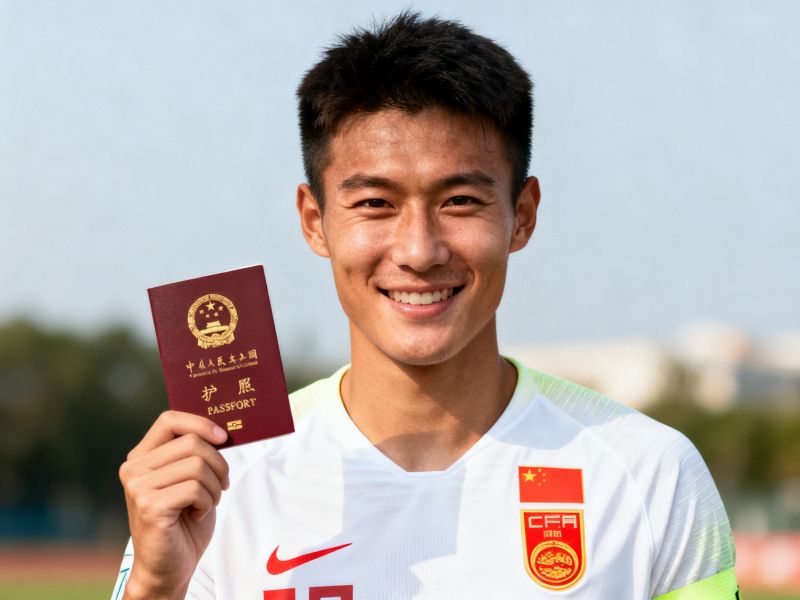
Muriqui's journey to Chinese citizenship wasn't straightforward. He arrived in 2010 with Al-Gharafa。then moved to Guangzhou Evergrande in 2011. Over eight seasons with the club, he won five CSL titles and the 2013 AFC Champions League, becoming the tournament's top scorer that year. He also had brief stints with Al-Sadd in Qatar and Tokyo FC in Japan, but always returned to China. His family settled in Guangzhou;his children attend local schools. When the naturalization policy for foreign athletes was relaxed in 2019, Muriqui was among the first to apply. The process required him to renounce his Brazilian citizenship—a significant personal sacrifice that he described in an interview as 'a difficult but clear decision.'Critics of naturalization argue that it dilutes national identity, but Muriqui's case challenges that narrative. He speaks fluent Mandarin, albeit with a thick accent. He has invested in a youth football academy in Guangdong. During the COVID-19 outbreak in Wuhan, he donated 500,000 yuan to relief efforts—a gesture that wasn't publicized until weeks later. 'He's more Chinese than some people I know,' a Guangzhou taxi driver told me。only half-joking. Of course, his age raises questions about his national team prospects. At 32, he might have one or two international windows left. But his value extends beyond the pitch: he represents a model of integration that Chinese football has struggled to articulate.
Muriqui becomes a Chinese citizen at a time when the country's naturalization policy remains contentious. Yet his story is less about policy than about belonging. He didn't arrive as a mercenary;he arrived as a player, stayed as a resident, and now becomes a citizen. That progression matters. Whether he scores for the national team or not。his presence in the squad sends a message: Chinese identity is not fixed, and football—like any shared passion—can be a bridge. I'll be watching his first match as a Chinese citizen with more than casual interest.